



< BACK
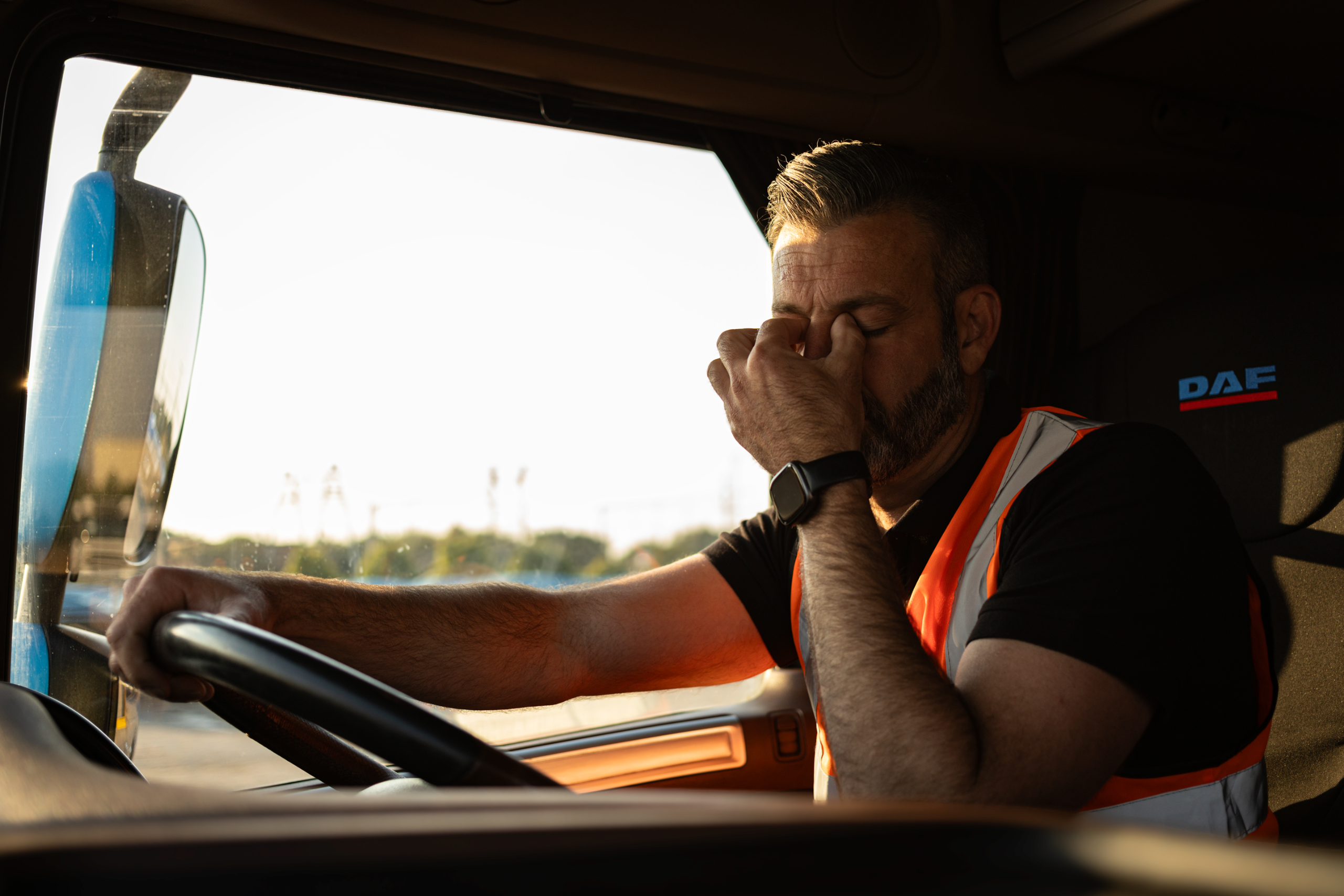
Driver fatigue: The invisible risk costing fleets lives
Post Date: 20/02/2026
Driver fatigue: The invisible risk costing fleets lives
Colin Hughes, APAC Senior Vice President, Optix Australia
There are few calls a fleet manager fears more than the one reporting an incident. In seconds, it can shift from a routine day to injured drivers, damaged vehicles and disrupted operations — and in the most severe cases, irrevocable reputational damage or worse, a family waiting for someone who doesn’t come home.
The uncomfortable truth is that human behaviour remains the leading cause of serious truck crashes in Australia – with fatigue a major contributor. Regardless of how alert a driver may start their shift, tiredness can quickly set in, making it too easy to ignore heavy eyelids and push through to complete a delivery. Fatigue is estimated to contribute to approximately 20-30% of all vehicle accidents and is one of the major causes of injuries and fatalities on the road.
For fleets, the impact is immediate and measurable – not just in human terms, but across medical costs, insurance increases, lost productivity and vehicle repairs. A report from The National Road Safety Partnership Program (NRSPP) estimates that tiredness among commercial fleet drivers costs the Australian economy around $3 billion every year.
The problem with fatigue: it hides in plain sight
Despite this, fatigue remains one of the most underestimated risks in commercial transport – largely because it’s so difficult to detect. Unlike speeding or harsh braking, fatigue doesn’t announce itself. There’s no dashboard light, no obvious signal. Yet even a brief moment can have irreversible consequences. For example, a four-second microsleep at 100 km/h means a vehicle travels 111 metres completely uncontrolled — roughly the length of a rugby field.
Video and sensory technology is changing how fatigue is detected and acted upon. Where once organisations could only react after an incident, the combination of technology, data and human expertise means fleets can now take a more proactive and preventative approach.
Real-time intervention
Advancements in AI-powered video telematics are transforming how fatigue is detected. This technology can monitor subtle fatigue indicators such as eyelid movement, gaze direction and head position. It can also make the distinction between a driver checking their mirrors or momentarily looking down and one who is experiencing drowsiness. This improved accuracy means fewer false alerts, with drivers warned of risk in real time through seat vibrations or audio-visual prompts. This timely intervention interrupts risky behaviour and allows drivers to take a break before it escalates.
Human intelligence behind the AI
Of course, technology alone is not enough. While in-cab alerts can help to reduce behavioural risk in-the-moment by as much as 80%, fleets also need to prepare for situations where a driver is on the verge of falling asleep. Fatigue escalates quickly: a yawn leads to heavy eyelids, and heavy eyelids can turn into a microsleep. In these moments, swift human intervention is critical.
This is where centralised monitoring plays a crucial role. Pairing AI-driven detection with trained specialists, teams at control towers can assess high-risk events almost immediately, reviewing footage and flagging critical incidents to fleet managers. At Optix, our team of trained specialists reviews up to two million video events a month. Footage is analysed within seconds of capture, allowing serious risks to be flagged quickly so managers can intervene and contact affected drivers to remove them from the road within minutes. In 2025 alone, this helped to prevent tens of thousands of incidents globally.
Predictive risk
Preventing incidents is only part of the picture. Equally important is uncovering why fatigue is occurring and whether wider, underlying factors are at play. By analysing millions of data points – covering geography, time of day, route type and driver patterns – insights can emerge that fleets can act on.
For example, data from the QLD Government shows that the majority of sleep-related vehicle crashes occur between 2am and 6am, and between 2pm and 4pm. Access to insight on patterns like these can transform operational decision making and allow fleets to act. This could include adjusting schedules and shift structures, rethinking route planning, improving daily communication and enhancing driver coaching, wellness, and support programmes. In doing so, safety moves from being reactive to becoming a strategic priority.
Managing fatigue effectively requires more than a device in a vehicle – it demands an integrated ecosystem: technology that detects risk, people who interpret it and data that predicts it. When fleets combine these elements, they can prevent incidents and ensure that all road users end their journey safely home.